Loading page
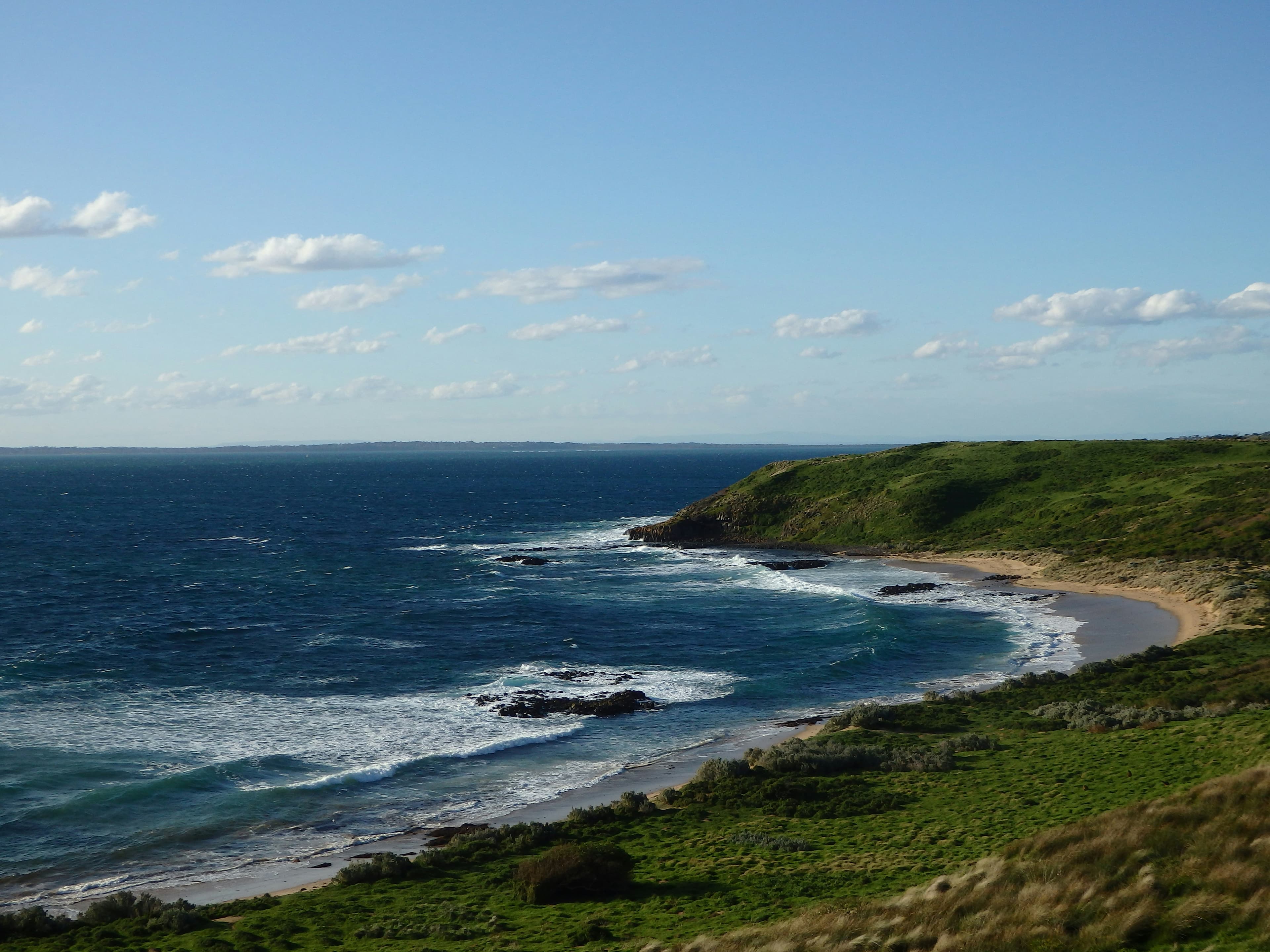
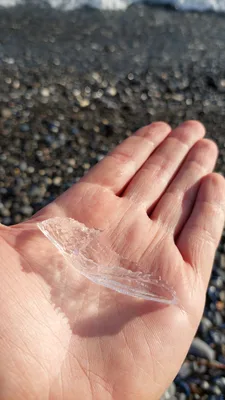
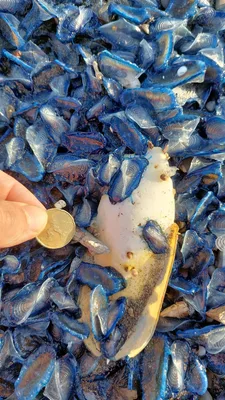
Jellyfish, molluscs, fish, gelatinous organisms, plankton: the sea leaves them on the shore every day and, in almost every case, there is no one to report them to. St[r]anding collects everything that washes up, above all what nobody else is looking after. Your photo is enough.
When a cetacean strands, there is usually someone to call. But when a jellyfish washes ashore, a mollusc appears far outside its known range, or an unfamiliar fish is found on the beach, there is often no clear reporting channel, no shared protocol and no systematic record.
Some of the most common organisms washing up on our coasts are also among the least documented.
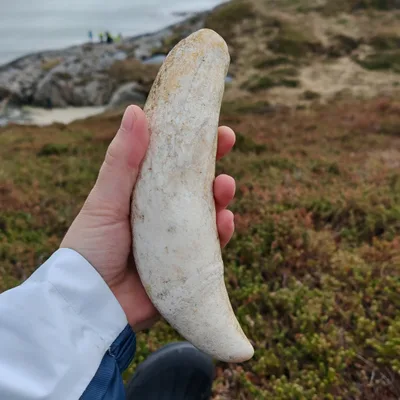
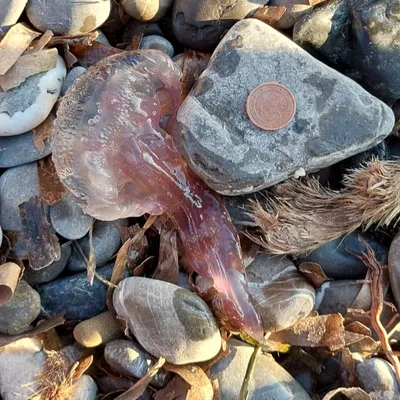
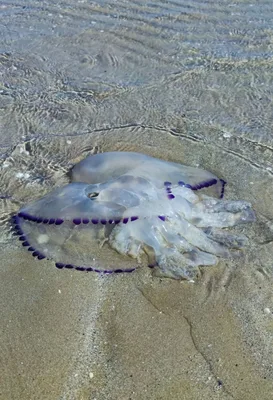
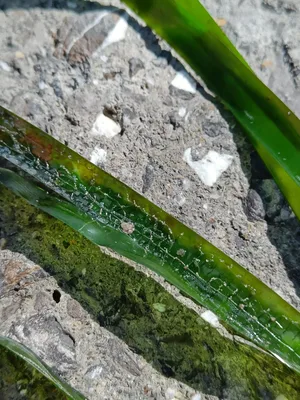
For most organisms that reach the shore, no collection network exists. It is not that the report goes to the wrong place: it has no place to go.
It ends up in a group chat or a story. Without a place, without a date, without context: scientifically it does not exist.
Even when you do report something, you never hear back. You don't know whether it helped, you don't know what it was. Next time you let it go.
Take the picture, mark where you found it and send. You don't need to know what organism it is: that's the starting point, not a requirement.
We run a check, then your report enters the public archive. It doesn't have to wait for someone to name it: it is already data, with its place and its date.
From there, people who know open the discussion in the comments, propose an identification, question it, correct it. You get a notification at every step and you see the whole path.
Every card is a report sent by a person. Some already have a name, others are still being discussed: you can step in and have your say.
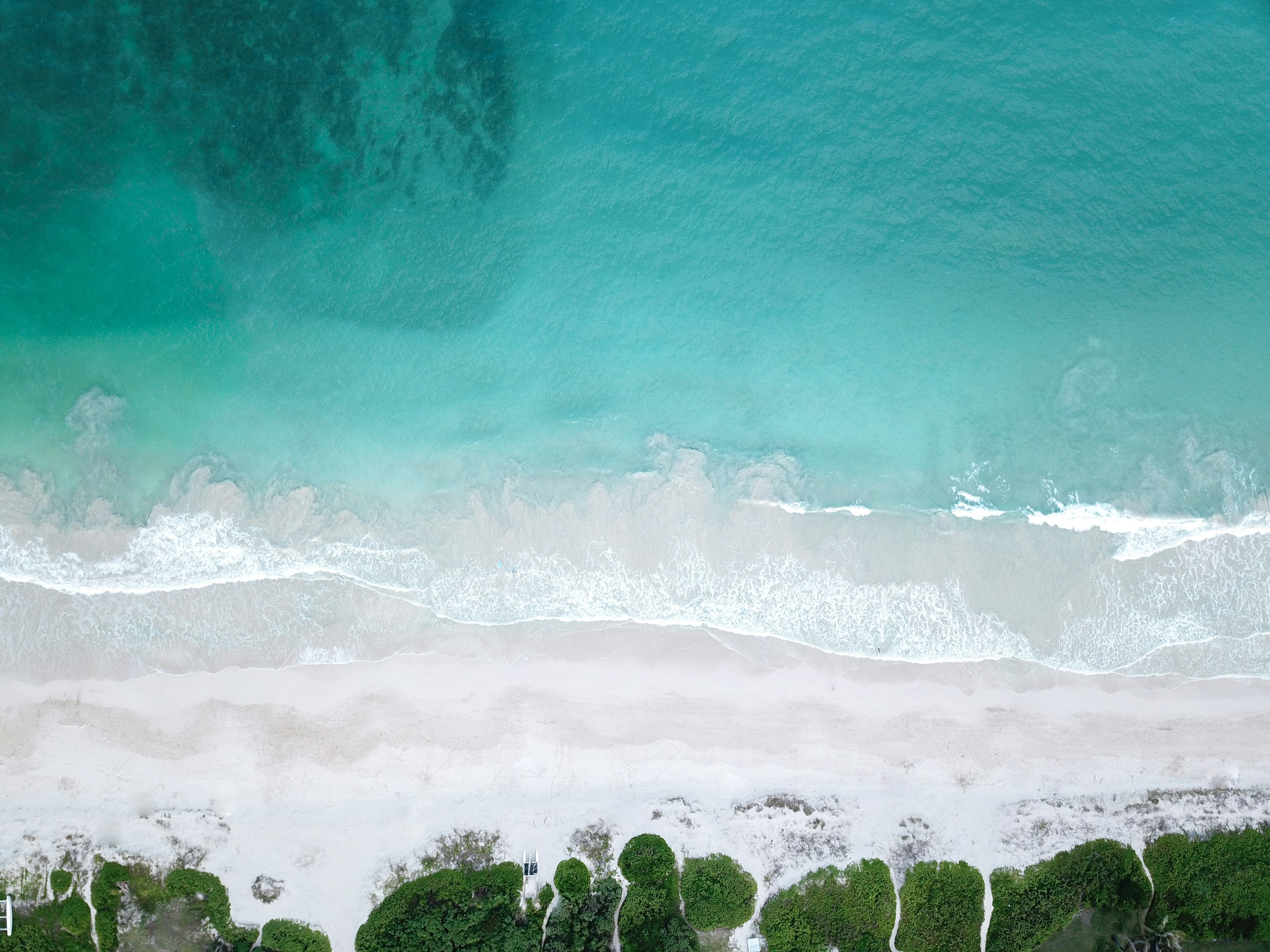
Jellyfish and gelatinous organisms, molluscs, larvae, plankton: they are abundant, they have short life cycles and they react quickly to temperature, currents and new arrivals. What ends up on the shore is the cheapest way there is to notice it. You don't need a research vessel: you need someone, on that stretch of coast, on that day, to have recorded it. No research group can cover the whole coastline. The people who walk it every day can.
A gelatinous organism falls apart within hours, and the next tide takes everything back. If it isn't recorded straight away, there is nothing left to record.
Repeated across time and space, sightings make the anomalies visible: that is where research begins.
Every published report can be consulted by anyone: by researchers, by institutions, by a class trying to understand what turns up on their own beach.
Request access to beta testing by completing the form, or leave your email to receive project updates. Research starts with you.